The lifespan of a curtain wall is a critical consideration for architects, building owners, and developers. As a supplier of Curtain Wall Architecture, I've witnessed firsthand the importance of understanding how long these structures can last. In this blog, I'll delve into the factors that influence the lifespan of a curtain wall, typical lifespans, and how to extend the longevity of these architectural features.
Factors Affecting the Lifespan of a Curtain Wall
Material Quality
The materials used in a curtain wall play a significant role in determining its lifespan. High - quality materials are more resistant to wear, corrosion, and environmental damage. For example, aluminum is a popular choice for curtain walls due to its lightweight, durability, and resistance to rust. However, the grade of aluminum can vary. Premium - grade aluminum with a high - quality finish will last longer than lower - grade alternatives. Similarly, glass is another key component. Tempered glass is more robust and less likely to break compared to regular glass, which can enhance the overall lifespan of the curtain wall.
Installation Quality
Even the best materials can fail if the curtain wall is not installed correctly. Proper installation ensures that the curtain wall is structurally sound and watertight. A poorly installed curtain wall may have gaps or misalignments, which can lead to water infiltration, air leakage, and structural instability over time. Professional installers with experience in curtain wall installation are essential to ensure a long - lasting installation.
Environmental Conditions
The environment in which the curtain wall is located has a major impact on its lifespan. Buildings in coastal areas are exposed to saltwater, which can cause corrosion of metal components. In areas with high levels of air pollution, the curtain wall may be subject to chemical damage. Extreme weather conditions such as strong winds, heavy rainfall, and hail can also cause physical damage to the curtain wall. For instance, a curtain wall in a hurricane - prone region needs to be designed and constructed to withstand high - speed winds and flying debris.
Maintenance
Regular maintenance is crucial for extending the lifespan of a curtain wall. This includes cleaning the glass and metal surfaces to remove dirt, grime, and pollutants. Inspecting the curtain wall for signs of damage, such as cracks in the glass or corrosion on the metal frames, is also important. Timely repairs can prevent minor issues from turning into major problems. For example, if a small crack in the glass is not repaired promptly, it may spread and compromise the integrity of the entire curtain wall.


Typical Lifespans of Different Types of Curtain Walls
House Curtain Wall
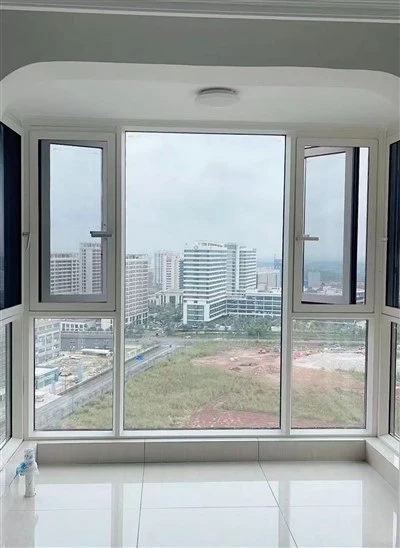
House curtain walls are often designed for a more residential aesthetic and may have a different set of requirements compared to commercial curtain walls. On average, a well - maintained house curtain wall can last between 20 to 30 years. This lifespan can be influenced by the factors mentioned above, such as the quality of materials and the local environment. For example, a house curtain wall in a mild climate with low pollution and proper maintenance may last closer to 30 years, while one in a harsh environment may have a shorter lifespan.
Curtain Wall High Rise Building
Curtain walls in high - rise buildings are subject to more extreme conditions, including higher wind loads and greater exposure to the elements. These curtain walls typically have a lifespan of 25 to 40 years. The use of advanced materials and engineering techniques in high - rise curtain walls can help extend their lifespan. For example, some high - rise curtain walls are designed with flexible joints that can withstand the movement of the building due to wind and seismic activity.
Curved Curtain Wall
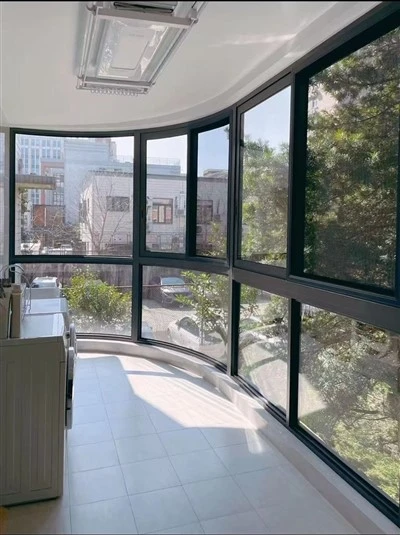
Curved curtain walls present unique challenges in terms of design, installation, and maintenance. The lifespan of a curved curtain wall can range from 20 to 35 years. The curvature can make it more difficult to clean and inspect, and the stress distribution on the materials may be different compared to straight curtain walls. However, with proper design and maintenance, a curved curtain wall can still have a relatively long lifespan.
Extending the Lifespan of a Curtain Wall
Use of High - Quality Materials
Investing in high - quality materials from the start is one of the most effective ways to extend the lifespan of a curtain wall. As a Curtain Wall Architecture supplier, I recommend using materials that are known for their durability and performance. For example, choosing glass with a low - emissivity coating can reduce heat transfer and protect the interior of the building, while also increasing the lifespan of the glass itself.
Professional Installation
Hiring a professional installation team is essential. These experts have the knowledge and experience to ensure that the curtain wall is installed correctly, following all industry standards and best practices. They can also provide valuable advice on maintenance and care during the installation process.
Regular Maintenance and Inspections
Establishing a regular maintenance schedule is crucial. This includes cleaning the curtain wall at least twice a year, inspecting for damage, and making any necessary repairs. A professional maintenance team can conduct more in - depth inspections on a quarterly or annual basis, depending on the location and usage of the building.
Upgrades and Retrofits
As technology advances, it may be beneficial to upgrade or retrofit the curtain wall. This can include adding new insulation, improving the weather - sealing, or replacing outdated components. Upgrades can not only extend the lifespan of the curtain wall but also improve its energy efficiency and performance.
Conclusion
The lifespan of a curtain wall is influenced by a variety of factors, including material quality, installation, environmental conditions, and maintenance. By understanding these factors and taking appropriate measures, building owners can ensure that their curtain walls last for many years. As a Building Curtain Wall supplier, I'm committed to providing high - quality products and expertise to help you make the most of your curtain wall investment.
If you're considering a curtain wall for your next project or need to upgrade an existing one, I encourage you to reach out for a consultation. We can discuss your specific requirements, provide detailed information on our products, and help you make an informed decision. Contact us today to start the conversation.
References
- Building Enclosure Council. (2023). Best Practices for Curtain Wall Design and Construction.
- American Institute of Architects. (2022). Guide to Curtain Wall Systems.
- International Code Council. (2021). Building Codes Related to Curtain Walls.