What are the visibility options for glass curtain walling?
As a seasoned supplier of glass curtain walling, I've witnessed firsthand the transformative power of these architectural marvels. Glass curtain walls not only enhance the aesthetic appeal of buildings but also offer a range of visibility options that can significantly impact the overall functionality and experience within a space. In this blog, I'll delve into the various visibility options available for glass curtain walling and explore how they can be tailored to meet the specific needs of different projects.


Clear Glass: Unobstructed Views and Natural Light
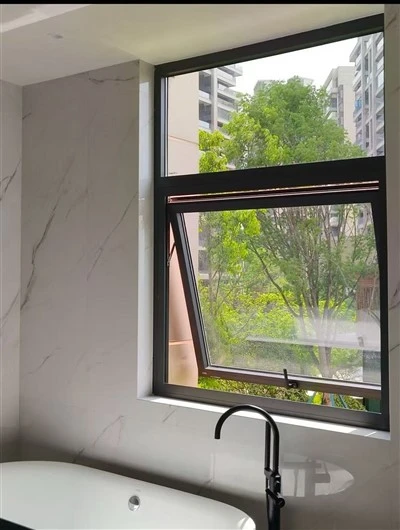
Clear glass is perhaps the most straightforward and commonly used visibility option for glass curtain walling. It provides an unobstructed view of the exterior, allowing occupants to enjoy the surrounding scenery and natural light. This transparency creates a sense of openness and connection to the outside world, making it an ideal choice for spaces where visual engagement with the environment is desired, such as offices, hotels, and public buildings.
One of the key advantages of clear glass is its ability to maximize natural light penetration. By allowing sunlight to enter the building, clear glass reduces the need for artificial lighting during the day, resulting in energy savings and a more sustainable design. Additionally, the natural light can have a positive impact on the well - being and productivity of occupants, as it helps regulate the body's internal clock and provides a sense of comfort.
However, clear glass also has its limitations. It offers little privacy, which can be a concern in certain applications. In addition, it can transmit heat and glare, leading to increased energy consumption for cooling and potential discomfort for occupants. To address these issues, clear glass can be combined with other technologies, such as low - emissivity (Low - E) coatings and blinds.
Tinted Glass: Balancing Visibility and Privacy
Tinted glass is another popular option for glass curtain walling. It is available in a variety of colors and shades, which can be selected to achieve different levels of visibility and privacy. Tinted glass absorbs and reflects a portion of the sunlight, reducing the amount of heat and glare that enters the building. This can help improve energy efficiency and create a more comfortable indoor environment.
The tinted glass also provides a certain degree of privacy, as it makes it more difficult for people outside to see inside the building. This is particularly useful in commercial buildings, where privacy is often a concern. However, it's important to note that the level of privacy provided by tinted glass can vary depending on the time of day and the lighting conditions. For example, at night, when the interior of the building is illuminated, the tinted glass may not provide as much privacy as during the day.
When choosing tinted glass, it's essential to consider the color and shade of the tint. Different colors can have different effects on the appearance of the building and the quality of the natural light inside. For instance, a dark tint may give the building a more dramatic and sophisticated look, but it may also reduce the amount of natural light that enters the space.
Frosted Glass: Privacy with Diffused Light
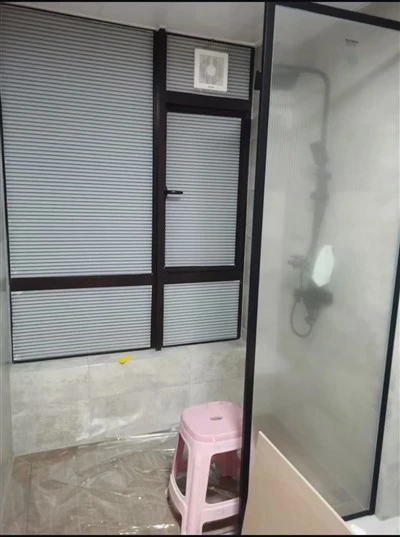
Frosted glass is an excellent option for applications where privacy is a primary concern, but some level of natural light is still desired. The frosted surface scatters the light, creating a diffused effect that obscures the view while allowing light to pass through. This makes it ideal for areas such as bathrooms, conference rooms, and private offices.
Frosted glass can be achieved through various methods, including acid etching, sandblasting, and applying a frosted film. Each method has its own advantages and disadvantages, and the choice depends on factors such as the desired level of privacy, the durability of the finish, and the cost.
One of the benefits of frosted glass is its ability to create a soft, ambient light within the space. The diffused light reduces glare and provides a more comfortable and inviting atmosphere. Additionally, frosted glass can add a touch of elegance and style to the building's interior.
Reflective Glass: Aesthetic Appeal and Energy Efficiency
Reflective glass is designed to reflect a significant portion of the sunlight, reducing the amount of heat and light that enters the building. It has a mirror - like appearance, which can create a striking visual effect and enhance the aesthetic appeal of the building. Reflective glass is often used in modern and contemporary architecture to give buildings a sleek and sophisticated look.
In addition to its aesthetic benefits, reflective glass also offers energy - saving advantages. By reflecting sunlight, it helps to keep the interior of the building cool, reducing the need for air conditioning and lowering energy costs. However, it's important to consider the environmental impact of reflective glass, as it can also reflect sunlight onto neighboring buildings and streets, causing glare and heat islands.
The reflectivity of the glass can be controlled by the type of coating applied to the surface. Different coatings can be used to achieve different levels of reflectivity and color, allowing architects and designers to customize the appearance of the glass curtain wall.
Switchable Glass: Dynamic Visibility Control
Switchable glass, also known as smart glass, is a revolutionary technology that allows for dynamic control of visibility. It can change its transparency from clear to opaque at the touch of a button or in response to environmental conditions. This provides a high level of flexibility and control, making it suitable for a wide range of applications.
There are several types of switchable glass, including electrochromic, liquid crystal, and suspended particle device (SPD) glass. Each type operates on a different principle but achieves the same result of changing the glass's transparency.
Switchable glass is particularly useful in spaces where the need for privacy and visibility can change throughout the day. For example, in a meeting room, the glass can be made opaque during a private meeting and clear when the room is not in use. It also offers energy - saving benefits, as it can be adjusted to control the amount of sunlight and heat entering the building.
Choosing the Right Visibility Option
When selecting the visibility option for a glass curtain walling project, several factors need to be considered. These include the building's location, orientation, function, and the specific requirements of the occupants. For example, a building located in a sunny climate may benefit from tinted or reflective glass to reduce heat gain, while a building with a need for privacy may require frosted or switchable glass.
Architects and designers should also consider the overall aesthetic of the building. The visibility option should complement the design style and enhance the visual appeal of the structure. Additionally, energy efficiency and sustainability are important considerations, as glass curtain walls can have a significant impact on a building's energy consumption.
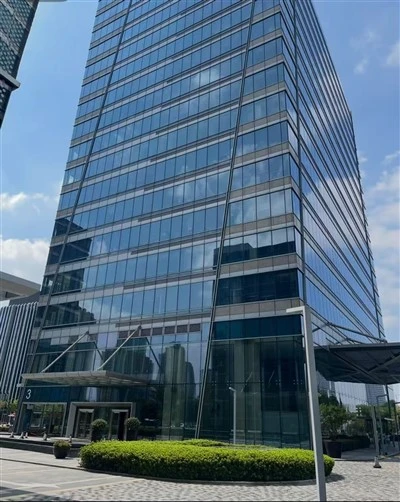
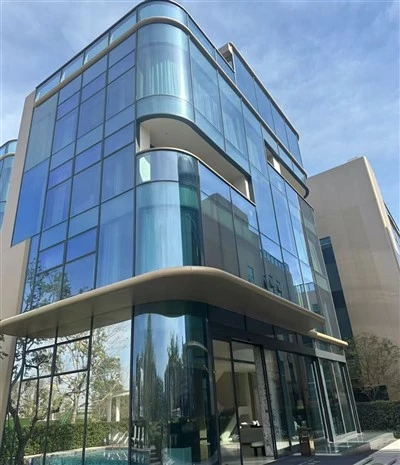
As a Glass Curtain Walling supplier, we offer a wide range of products that can meet different visibility requirements. Whether you're looking for House Curtain Wall, Curved Curtain Wall, or Curtain Wall High Rise Building, we have the expertise and resources to provide you with the best solutions.
If you're interested in learning more about our glass curtain walling products and how they can meet your specific needs, we encourage you to contact us. Our team of experts is ready to assist you in selecting the right visibility option for your project and guide you through the procurement process.
References
- "Glass Curtain Wall Design and Construction" by John Doe
- "Energy - Efficient Building Envelopes" by Jane Smith
- "Advances in Smart Glass Technology" by Robert Johnson