Aesthetic styles in curtain wall architecture play a pivotal role in shaping the visual identity of modern buildings. As a supplier in the field of Curtain Wall Architecture, I have witnessed firsthand the diverse range of aesthetic styles that have emerged over the years. In this blog, I will explore some of the most prominent aesthetic styles available in curtain wall architecture and how they can transform the appearance of a building.
1. Minimalist Style
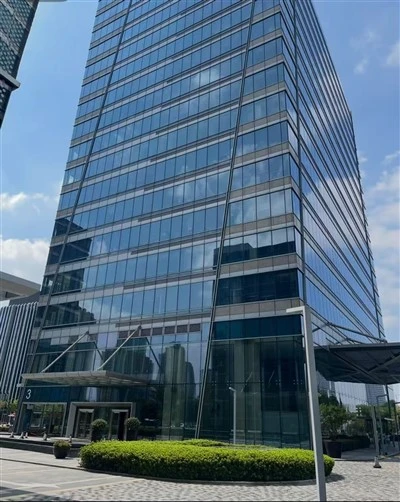
The minimalist style in curtain wall architecture is characterized by simplicity, clean lines, and a focus on functionality. This style often features large expanses of glass with minimal framing, creating a sleek and contemporary look. The use of neutral colors such as white, black, and gray further enhances the minimalist aesthetic.
Minimalist curtain walls are popular in modern office buildings and high - rise structures. They give the building a sense of openness and transparency, allowing natural light to flood the interior spaces. For example, many corporate headquarters around the world have adopted minimalist curtain wall designs to convey a sense of professionalism and modernity. The lack of excessive ornamentation also makes the building more cost - effective in terms of construction and maintenance.
If you are interested in a minimalist approach to your building project, you can learn more about Curtain Wall Architecture, which offers a variety of options to achieve this aesthetic.
2. Geometric Style
Geometric patterns are a hallmark of the geometric style in curtain wall architecture. This style uses shapes such as triangles, rectangles, and circles to create visually striking facades. Geometric curtain walls can be either regular or irregular, depending on the design concept.
Regular geometric patterns provide a sense of order and symmetry to the building. They are often used in institutional buildings such as museums and libraries, where a sense of stability and formality is desired. Irregular geometric patterns, on the other hand, add a sense of dynamism and playfulness to the building. They are commonly seen in cultural centers and contemporary art galleries.
The use of different materials in geometric curtain walls can also enhance the overall aesthetic. For instance, combining glass with metal panels in a geometric pattern can create a contrast between transparency and solidity. You can find more information about building with geometric curtain walls on Building Curtain Wall.
3. Organic Style
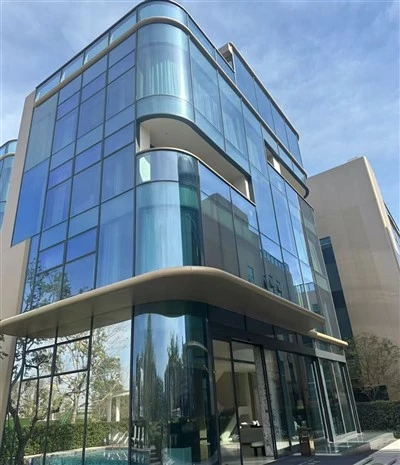
The organic style in curtain wall architecture takes inspiration from nature. It aims to mimic natural forms such as waves, leaves, and clouds in the design of the curtain wall. This style often uses curved glass and flowing lines to create a sense of movement and fluidity.
Organic curtain walls are well - suited for buildings in natural settings, such as resorts and eco - friendly structures. They blend in seamlessly with the surrounding environment, creating a harmonious relationship between the building and nature. The use of organic shapes can also reduce the visual impact of the building on the landscape.
In addition to the aesthetic appeal, organic curtain walls can also have functional benefits. The curved surfaces can help to deflect sunlight and reduce heat gain, improving the energy efficiency of the building. To explore more about organic curtain wall designs for high - rise buildings, visit Curtain Wall High Rise Building.
4. Art Deco Style
The Art Deco style emerged in the early 20th century and is known for its bold geometric shapes, decorative motifs, and luxurious materials. In curtain wall architecture, Art Deco elements can be incorporated through the use of metal accents, colorful glass, and intricate patterns.
Art Deco curtain walls often feature vertical lines and stepped forms, which give the building a sense of grandeur and verticality. This style was popular in skyscrapers during the 1920s and 1930s, and many of these iconic buildings still stand today. The use of materials such as stainless steel and bronze in Art Deco curtain walls adds a touch of elegance and sophistication.
If you want to bring a touch of the Art Deco era to your building project, our company can provide a range of options to achieve this classic aesthetic. We have extensive experience in working with different materials and designs to create a unique Art Deco curtain wall for your building.
5. Industrial Style
The industrial style in curtain wall architecture draws inspiration from factories and warehouses. It is characterized by the use of raw materials such as exposed steel, concrete, and brick. Industrial curtain walls often feature large windows and open - frame structures, giving the building a sense of ruggedness and authenticity.
This style is popular in adaptive reuse projects, where old industrial buildings are converted into modern offices, lofts, or cultural spaces. The industrial aesthetic can also be used in new construction to create a contemporary and edgy look. The use of industrial - style curtain walls can help to reduce the overall cost of construction, as the materials are relatively inexpensive and easy to work with.


6. Sustainable Style
Sustainable style in curtain wall architecture is becoming increasingly important in today's environmentally conscious world. This style focuses on using energy - efficient materials and designs to reduce the building's carbon footprint.
Sustainable curtain walls often incorporate features such as double - glazed glass, solar panels, and natural ventilation systems. These features help to improve the energy efficiency of the building by reducing heat transfer, generating renewable energy, and providing fresh air. The use of recycled materials in curtain wall construction is also a key aspect of the sustainable style.
By choosing a sustainable curtain wall for your building, you not only contribute to a greener environment but also save on energy costs in the long run. Our company offers a wide range of sustainable curtain wall solutions that can meet your specific needs and requirements.
Contact for Purchase and Negotiation
If you are interested in incorporating any of these aesthetic styles into your building project, I encourage you to contact us for a detailed discussion. Our team of experts has extensive knowledge and experience in curtain wall architecture and can provide you with customized solutions based on your design preferences and budget. We understand the importance of creating a unique and functional curtain wall that enhances the overall value of your building. So, don't hesitate to reach out to us and start the journey of transforming your building with a stunning curtain wall.
References
- Smith, J. (2018). Modern Curtain Wall Design. Architecture Press.
- Johnson, A. (2020). Aesthetic Trends in Building Facades. Construction Journal.
- Brown, C. (2019). Sustainable Building Envelopes. Green Building Institute.