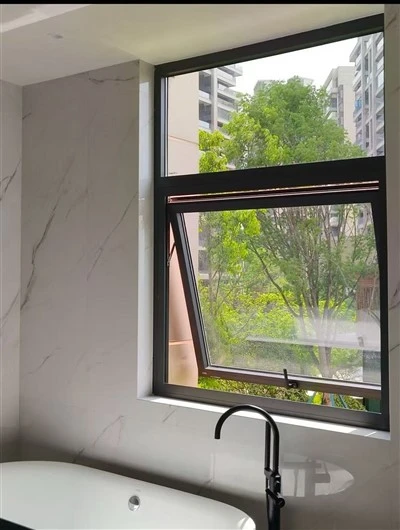
In the realm of commercial building design and safety, the question of whether commercial aluminum awning windows are fire - resistant is of significant importance. As a supplier of Commercial Aluminum Awning Windows, I have had the opportunity to delve deep into this topic and provide accurate information to our clients.
Understanding Fire Resistance
Fire resistance refers to the ability of a material or structure to withstand the effects of fire for a specified period. It is crucial in commercial buildings as it can prevent the spread of fire, protect occupants, and minimize property damage. Fire - resistant materials are rated based on their ability to maintain their structural integrity, prevent the passage of flames and hot gases, and limit heat transfer during a fire.
The Composition of Commercial Aluminum Awning Windows
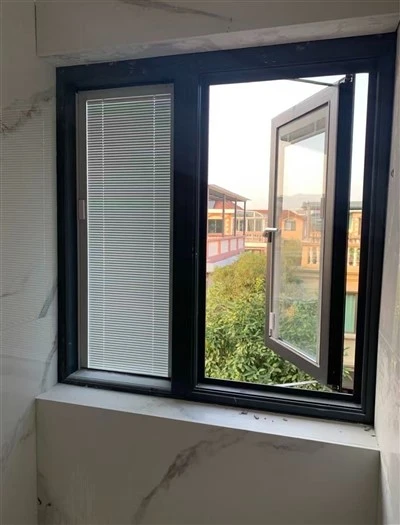
Commercial aluminum awning windows are typically made of aluminum frames and glass panes. Aluminum is a popular choice for window frames due to its strength, durability, and resistance to corrosion. It is also lightweight, which makes it easier to install and operate.
The glass used in these windows can vary. Common types include single - pane glass, double - pane glass, and laminated glass. Each type has different properties in terms of insulation, soundproofing, and fire resistance.
Fire Resistance of Aluminum Frames
Aluminum has a relatively high melting point, around 660°C (1220°F). However, when exposed to high - temperature fires, aluminum can lose its strength and structural integrity. In a severe fire, the aluminum frame may deform, which can compromise the window's ability to seal and prevent the spread of fire and smoke.
To enhance the fire resistance of aluminum frames, manufacturers often use special coatings or fire - rated materials. These coatings can slow down the rate of heat transfer and reduce the risk of the frame melting or deforming too quickly. Some fire - rated aluminum frames are designed to maintain their structural integrity for a certain period, typically ranging from 30 minutes to 2 hours, depending on the rating.
Fire Resistance of Glass Panes
The fire resistance of the glass in commercial aluminum awning windows depends on the type of glass used.
- Single - Pane Glass: Single - pane glass has limited fire resistance. It can break easily when exposed to high temperatures, allowing flames and hot gases to pass through. Once the glass breaks, the window loses its ability to act as a barrier against the fire.
- Double - Pane Glass: Double - pane glass offers better insulation than single - pane glass, but its fire resistance is still relatively poor. The air gap between the two panes can provide some insulation, but it does not prevent the glass from breaking under high heat.
- Laminated Glass: Laminated glass is a more fire - resistant option. It consists of two or more layers of glass bonded together with a plastic interlayer. When exposed to fire, the plastic interlayer can hold the glass fragments together, preventing them from falling out and maintaining a certain level of integrity. Laminated glass can also slow down the spread of flames and hot gases, providing more time for evacuation.
Factors Affecting Fire Resistance
Several factors can affect the fire resistance of commercial aluminum awning windows:
- Installation: Proper installation is crucial for the fire - resistant performance of windows. If the windows are not installed correctly, there may be gaps around the frames that can allow fire and smoke to pass through.
- Maintenance: Regular maintenance is necessary to ensure that the windows remain in good condition. Damaged frames or seals can reduce the fire resistance of the windows.
- Fire Rating: The fire rating of the windows indicates the maximum time they can withstand a fire. Higher - rated windows are more fire - resistant and can provide better protection.
Applications in Commercial Buildings
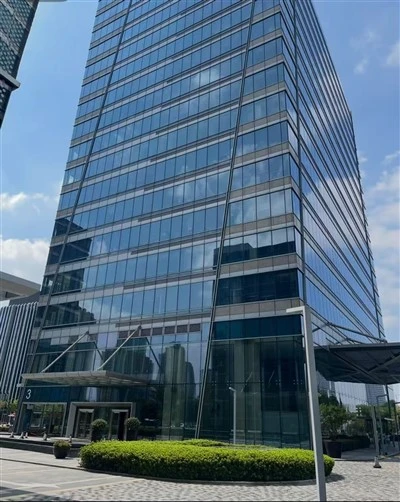
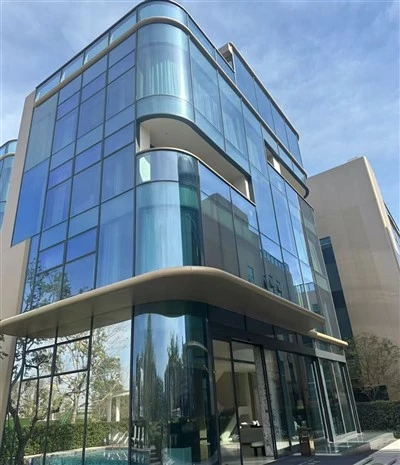
Commercial aluminum awning windows are widely used in various commercial buildings, such as offices, retail stores, and restaurants. In areas where fire safety is a concern, it is essential to choose fire - resistant windows. For example, in buildings with multiple floors, fire - resistant windows can prevent the spread of fire from one floor to another. In commercial kitchens, where the risk of fire is higher, fire - rated windows can provide an extra layer of protection.
Comparing with Other Window Types
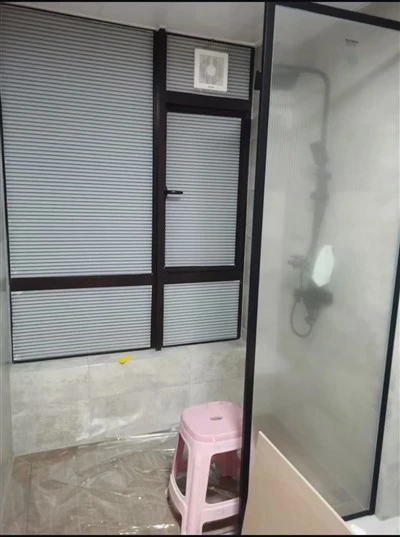
When considering fire resistance, it is also worth comparing commercial aluminum awning windows with other types of windows offered by our company, such as Aluminium Window with Exhaust Fan, Aluminum Bi Fold Windows, System Aluminium Windows, and Aluminium Thermal Break System Windows.
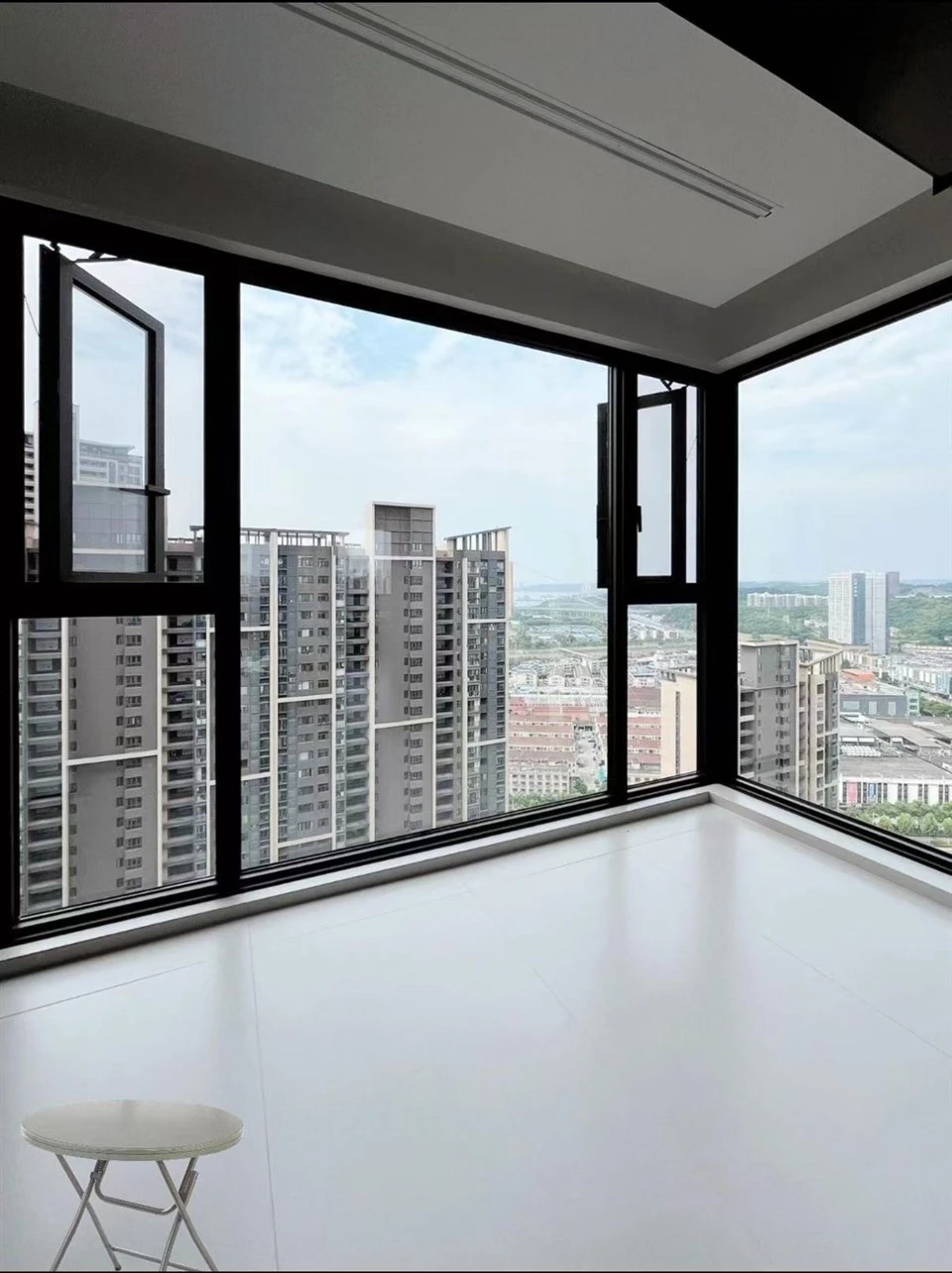

Each of these window types has its own unique features and fire - resistant properties. For instance, some of the system aluminium windows may be designed with enhanced fire - resistant components, while the aluminium thermal break system windows can offer better insulation in addition to fire protection.
Making an Informed Decision
As a supplier, we understand that choosing the right windows for a commercial building is a critical decision. When it comes to fire resistance, it is important to consider the specific requirements of the building, the local fire codes, and the budget.
We recommend consulting with a fire safety expert or a professional architect to determine the appropriate fire - rated windows for your project. Our team is also available to provide detailed information about the fire - resistant properties of our commercial aluminum awning windows and other window products.
Conclusion and Call to Action
In conclusion, commercial aluminum awning windows can offer a certain level of fire resistance, especially when using fire - rated frames and laminated glass. However, it is essential to understand the factors that affect their fire - resistant performance and choose the right windows for your specific needs.
If you are interested in purchasing commercial aluminum awning windows or any of our other window products, we encourage you to contact us for a consultation. Our experienced team can help you select the most suitable windows for your commercial building, taking into account fire safety, energy efficiency, and aesthetics. Let us work together to create a safe and comfortable environment for your business.
References
- NFPA 252: Standard Methods of Fire Tests of Door Assemblies
- ASTM E119: Standard Test Methods for Fire Tests of Building Construction and Materials