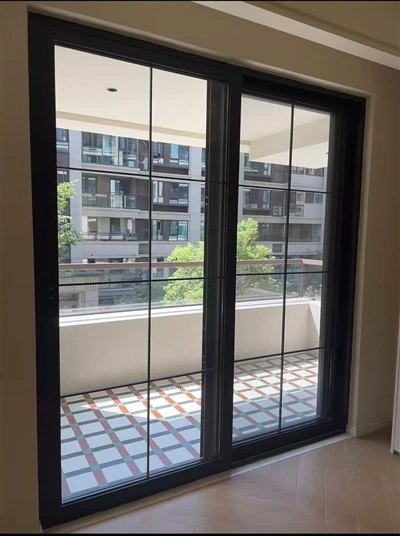
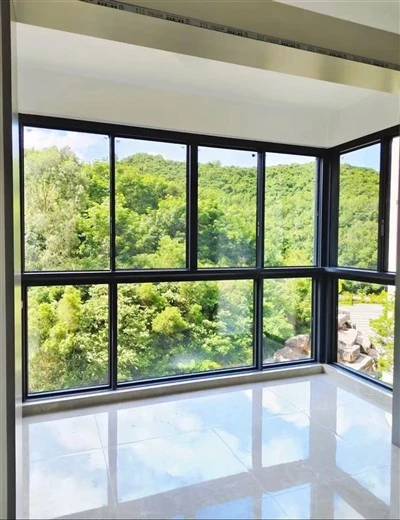
1. The fabrication of thermally broken aluminum alloy doors and windows should be carried out in the factory, not on the construction site. The fabrication should comply with the design and installation and acceptance specifications for thermally broken aluminum alloy doors and windows. The frames of thermally broken aluminum alloy doors and windows should be securely installed. Doors and windows should slide and open smoothly. Drainage holes should be provided at the window sill, and limit devices should be installed. Fasteners should comply with relevant technical regulations; the model, specifications, and performance of hardware should all comply with current national standards.
2. The processing of drainage holes on sliding window tracks should follow the principle of inner sash outer hole and outer sash inner hole to ensure the sealing performance of doors and windows, especially for sliding windows with horizontal bottom weatherstripping.
3. Before assembling thermally broken aluminum alloy doors and windows, burrs from the end processing should be removed. Waterproof sealant or other sealing measures must be applied to end joints and profile connections to prevent structural water seepage.
4. The structural assembly components of concealed frame windows must be fabricated and cured in a clean indoor environment.
Solvents must be used to remove dust, oil stains, and other contaminants from the bonding surfaces of the glass and aluminum frame. A clean, dry cloth should be used after cleaning each component or piece of glass. Solvents should be poured onto the cloth; the cloth must never touch the solvent bottle opening. Adhesive application must be full and free of air bubbles or leaks; the adhesive joint surface should be smooth and even. Excess adhesive used for sealing joints must not be reused.