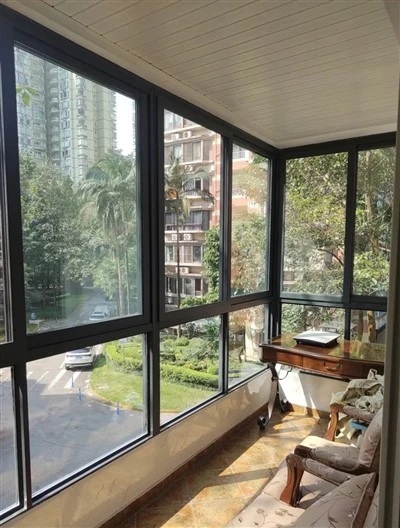
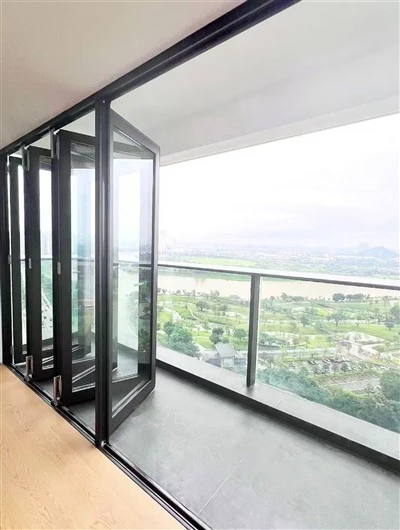
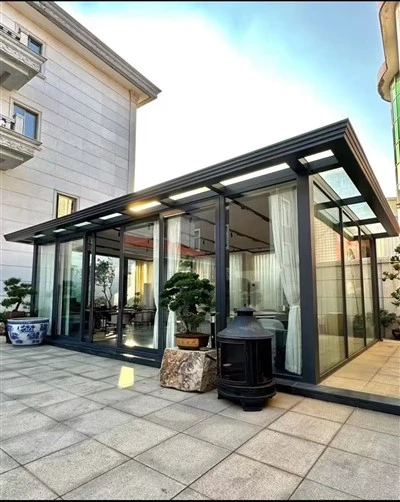
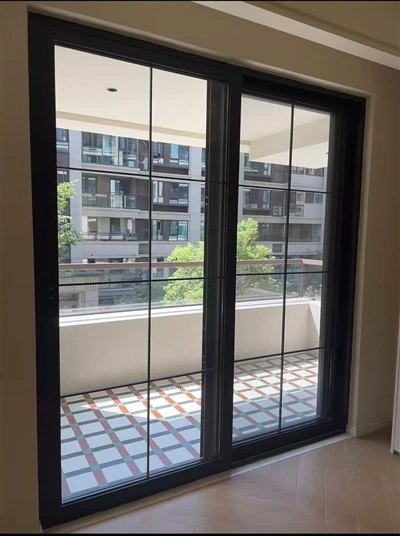
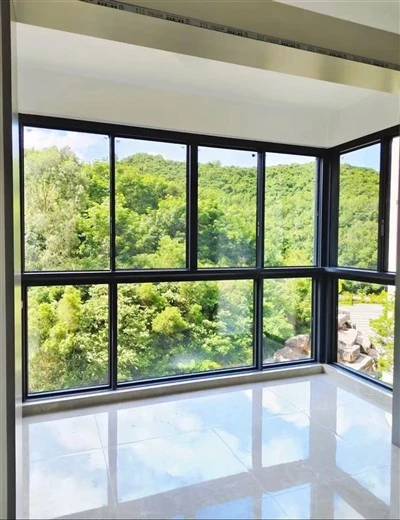
Aluminum alloy doors and windows are a common type of door and window in modern buildings. Using aluminum alloy as the main material, they are machined into fixed or openable structures, offering multiple functions such as dustproofing, burglarproofing, heat insulation, insect prevention, sound insulation, and windproofing. They are widely used in public buildings such as shopping malls, markets, and hotels, as well as residential settings. Their core advantage lies in the combination of material properties and structural design, meeting basic usage needs while adapting to different climates and safety requirements.
Material Properties and Structural Design: The main frame of aluminum alloy doors and windows uses aluminum alloy profiles, characterized by low density, high strength, and corrosion resistance. Their internal structure is typically hollow, using thermal break technology (such as built-in thermal break strips) to block heat conduction paths and improve thermal insulation performance. The glass is mostly double-glazed tempered glass, with inert gas filling the space between the two panes to further reduce heat conduction and noise transmission. Sealing strips are used at the connection between the frame and the glass to enhance dustproofing and waterproofing, while also improving overall airtightness.
Functional Realization and Technical Principles: The functionality of aluminum alloy doors and windows relies on the synergistic effect of materials and structure. For example, sound insulation is achieved through a combination of double-glazed glass and sealing strips, where sound waves are reflected and absorbed through multiple layers of media, reducing noise penetration. Anti-theft functionality relies on the strength of the frame and the locking design of the hardware, such as multi-point locking systems that enhance impact resistance. Windproofing is achieved through reinforced frame cross-sections and a reasonable drainage design, ensuring structural stability and leak-proof performance in strong winds. Furthermore, some products undergo surface treatments (such as anodizing and spraying) to improve weather resistance and adapt to humid or salt spray environments.
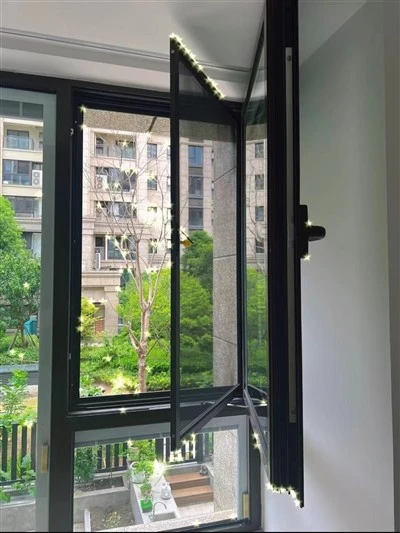
Usage and Scene Adaptation: Aluminum alloy doors and windows are primarily manually operated, offering simple operation and low maintenance costs. During installation, the type of window-fixed or casement-must be selected based on the building structure: fixed windows cannot be opened and are suitable for scenarios requiring high sealing (such as soundproof rooms); casement windows are connected by hinges and can open inwards or outwards for easy ventilation and cleaning. Regular inspection of the sealing strips and hardware is necessary to prevent aging and performance degradation. Their modern minimalist design also allows them to blend into various architectural and decorative styles.